
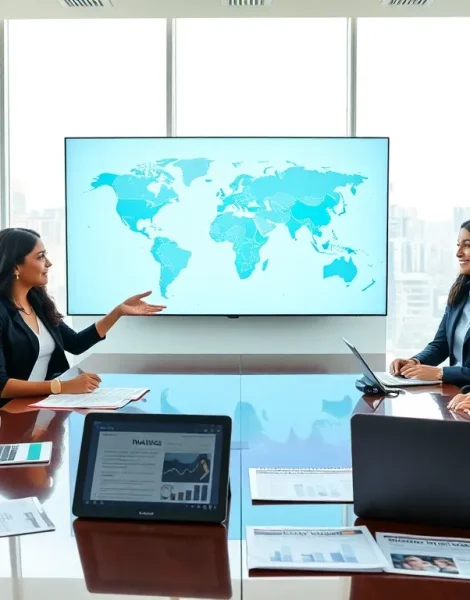
Global affairs for beginners can feel overwhelming at first glance. News headlines mention trade wars, diplomatic tensions, and international summits, but what does it all mean? Understanding global affairs helps people make sense of the forces shaping their daily lives. From the price of groceries to job markets and national security, international events affect everyone. This guide breaks down the basics of global affairs, explains who the key players are, and offers practical tips for staying informed.
Table of Contents
ToggleKey Takeaways
- Global affairs for beginners starts with understanding how political, economic, and social interactions between countries affect everyday life—from grocery prices to job markets.
- Key players in international relations include nation-states, organizations like the UN and NATO, and non-state actors such as corporations and NGOs.
- Major global issues today include climate change, economic inequality, security threats, public health challenges, and technology regulation.
- Stay informed by using reliable sources like Reuters, BBC World News, and diversifying perspectives with international outlets.
- Start small by focusing on one region or issue that interests you, and your understanding of global affairs will grow naturally over time.
What Are Global Affairs and Why Do They Matter
Global affairs refer to the political, economic, and social interactions between countries. These interactions include diplomacy, trade agreements, military alliances, and cultural exchanges. Think of global affairs as the relationships between nations, sometimes cooperative, sometimes competitive, and often both at once.
Why should anyone care? Because global affairs directly impact everyday life. When two major economies impose tariffs on each other, consumer prices rise. When a conflict breaks out in an oil-producing region, gas prices spike. When a pandemic emerges in one country, it can spread worldwide within weeks.
Global affairs also shape job opportunities. International trade creates millions of jobs in export industries. Foreign investment builds factories and offices. Immigration policies determine who can work where. Even local businesses often depend on global supply chains for their products.
Beyond economics, global affairs influence security and human rights. International cooperation helps address terrorism, cybercrime, and weapons proliferation. Global agreements protect refugees and promote democratic values. Understanding these connections empowers people to participate more meaningfully in civic life and make informed decisions at the ballot box.
Key Players in International Relations
Several types of actors shape global affairs. Knowing who they are helps beginners understand how international decisions get made.
Nation-States
Countries remain the primary actors in global affairs. Major powers like the United States, China, Russia, and members of the European Union hold significant influence. These nations set foreign policy, negotiate treaties, and deploy military forces. Smaller countries also matter, they vote in international organizations and can form coalitions that shift global dynamics.
International Organizations
The United Nations serves as the main forum for international cooperation. Founded in 1945, it now includes 193 member states. The UN addresses security threats through its Security Council and coordinates humanitarian aid through agencies like UNICEF and the World Food Programme.
Other key organizations include:
- NATO: A military alliance of 32 North American and European countries
- World Trade Organization: Oversees international trade rules
- International Monetary Fund: Promotes global economic stability
- World Bank: Provides loans for development projects
Non-State Actors
Global affairs involve more than governments. Multinational corporations like Apple, Shell, and Toyota influence trade patterns and labor markets across borders. Non-governmental organizations (NGOs) such as Doctors Without Borders and Amnesty International advocate for humanitarian causes. Even individuals, think activists, journalists, and tech entrepreneurs, can shape international conversations.
Understanding these players helps beginners see global affairs as a dynamic system rather than a confusing jumble of news headlines.
Major Global Issues Shaping Our World Today
Several issues dominate current global affairs. Each one affects multiple countries and requires international cooperation to address.
Climate Change
Rising temperatures, extreme weather, and sea-level rise threaten communities worldwide. The 2015 Paris Agreement committed nearly 200 countries to limit global warming. But, progress remains uneven. Climate change drives migration, strains food and water supplies, and increases the risk of conflict over scarce resources.
Economic Inequality
The gap between wealthy and poor nations continues to grow. Developing countries often struggle with debt, limited infrastructure, and barriers to global markets. Trade policies, foreign aid, and investment decisions all influence whether this gap narrows or widens.
Security Threats
Traditional conflicts persist in regions like the Middle East, Eastern Europe, and parts of Africa. Meanwhile, new threats emerge. Cyberattacks target governments and critical infrastructure. Terrorism remains a concern even though decades of counterterrorism efforts. Nuclear proliferation poses risks as more countries seek advanced weapons capabilities.
Public Health
The COVID-19 pandemic demonstrated how quickly diseases can spread across borders. Global affairs now include discussions about pandemic preparedness, vaccine distribution, and health system strengthening. International cooperation proves essential for detecting outbreaks early and coordinating responses.
Technology and Information
Artificial intelligence, social media, and digital surveillance raise questions about privacy, misinformation, and the future of work. Countries compete for technological leadership while debating how to regulate powerful new tools. These issues cut across traditional boundaries and require new forms of international dialogue.
How to Stay Informed About World Events
Keeping up with global affairs doesn’t require a political science degree. A few practical strategies can help beginners build their knowledge over time.
Choose Reliable Sources
Start with established news outlets known for international coverage. Reuters, Associated Press, and BBC World News provide factual reporting with global reach. The Economist and Foreign Affairs offer deeper analysis for those ready to go further. Avoid sources that rely heavily on opinion or sensationalism.
Diversify Perspectives
No single news outlet tells the whole story. Reading coverage from different countries reveals how the same event looks from various angles. Al Jazeera, Deutsche Welle, and NHK World offer perspectives from the Middle East, Europe, and Asia respectively.
Use Podcasts and Newsletters
Short daily podcasts like “The Daily” from The New York Times or “Global News Podcast” from the BBC make staying informed convenient. Email newsletters from organizations like the Council on Foreign Relations deliver curated updates directly to inboxes.
Follow Experts on Social Media
Academics, journalists, and former diplomats often share insights on platforms like X (formerly Twitter) and LinkedIn. Following a mix of voices helps beginners encounter ideas they might otherwise miss.
Start Small and Build
No one masters global affairs overnight. Pick one region or issue that interests you. Read about it consistently for a few weeks. Connections to other topics will emerge naturally. Over time, the puzzle pieces start fitting together.


