
Men’s wellness tools have become essential for anyone serious about improving their health. These resources help men track fitness, manage stress, and build sustainable habits. The right tools can transform vague health goals into measurable progress.
Many men struggle to prioritize their well-being. Work demands, family responsibilities, and social pressures often push self-care to the bottom of the list. Men’s wellness tools solve this problem by making health management simple and accessible. They provide structure, accountability, and data-driven insights that support lasting change.
This guide covers the most effective wellness resources available today. From fitness trackers to meditation apps, these tools address physical health, mental wellness, nutrition, and sleep. Each section offers practical recommendations that fit into busy lifestyles.
Table of Contents
ToggleKey Takeaways
- Men’s wellness tools transform vague health goals into measurable progress by providing structure, accountability, and data-driven insights.
- Fitness trackers, home workout equipment, and fitness apps form the foundation of physical health management for busy men.
- Mental wellness resources like meditation apps and online therapy platforms help reduce stress and improve emotional balance.
- Nutrition and sleep tracking tools reveal hidden patterns that drive smarter decisions about diet and rest.
- Start with one priority area and set measurable goals before adding more men’s wellness tools to your routine.
- Build accountability through social features, coaching, or community support to ensure long-term consistency.
Physical Health Tools for Daily Use
Physical health forms the foundation of overall wellness. Men’s wellness tools for daily fitness make it easier to stay active and monitor progress.
Fitness Trackers and Smartwatches
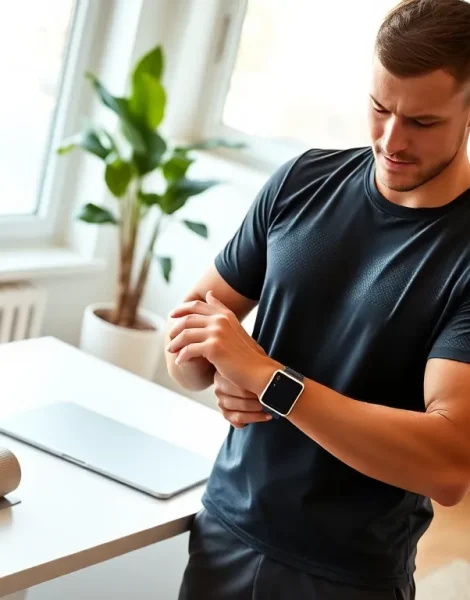
Devices like the Apple Watch, Fitbit, and Garmin watches track steps, heart rate, and calories burned. These wearables provide real-time feedback during workouts. They also monitor resting heart rate, which indicates cardiovascular health over time.
Most fitness trackers sync with smartphone apps. This integration allows users to review weekly and monthly trends. Seeing progress in graphs and charts motivates continued effort.
Home Workout Equipment
Resistance bands, kettlebells, and adjustable dumbbells offer gym-quality workouts at home. These tools require minimal space and provide versatile exercise options. A pull-up bar and yoga mat round out a basic home gym setup.
Massage guns have gained popularity as recovery tools. They reduce muscle soreness after intense workouts. Foam rollers serve a similar purpose at a lower cost.
Fitness Apps
Apps like Nike Training Club, JEFIT, and Strong guide users through structured workout programs. They track sets, reps, and weight progression. Many offer video demonstrations that ensure proper form.
For men new to exercise, these apps remove the guesswork. They provide clear instructions and progressive challenges that build strength over time.
Mental Wellness and Stress Management Resources
Mental health deserves equal attention in any wellness plan. Men’s wellness tools for stress management help reduce anxiety and improve emotional balance.
Meditation and Mindfulness Apps
Headspace and Calm offer guided meditation sessions for beginners and experienced practitioners. These apps teach breathing techniques and mindfulness exercises. Sessions range from three minutes to an hour, fitting any schedule.
Insight Timer provides free meditations from teachers worldwide. It includes a timer feature for unguided practice. Consistent meditation reduces cortisol levels and improves focus.
Therapy and Coaching Platforms
Online therapy services like BetterHelp and Talkspace connect users with licensed therapists. These platforms offer text, phone, and video sessions. They remove barriers like travel time and scheduling conflicts.
Men often hesitate to seek mental health support. Digital platforms provide privacy and convenience that encourage participation. Regular sessions with a professional can address depression, anxiety, and relationship issues.
Journaling Tools
Digital journals like Day One and Journey make reflection easy. Writing about thoughts and feelings improves self-awareness. Gratitude journaling, in particular, boosts mood and reduces negative thinking.
Some men prefer physical notebooks. The act of handwriting engages different cognitive processes than typing. Either format works, consistency matters more than the medium.
Nutrition and Sleep Tracking Solutions
Diet and rest directly impact energy levels and long-term health. Men’s wellness tools for nutrition and sleep provide the data needed to make smarter choices.
Food Tracking Apps
MyFitnessPal and Cronometer help users log meals and track macronutrients. These apps contain massive food databases that simplify calorie counting. Barcode scanning makes logging fast and accurate.
Tracking food intake reveals patterns. Many men discover they eat more sugar or fewer vegetables than they realized. This awareness drives better decisions at the grocery store and restaurants.
Meal Planning Services
Services like Eat This Much generate meal plans based on dietary goals and preferences. They create shopping lists and recipes that match calorie and macro targets. This removes the daily decision fatigue around food.
For men focused on muscle building or weight loss, precise nutrition matters. Meal planning tools ensure they hit their targets without constant calculation.
Sleep Tracking Devices
The Oura Ring and Whoop band track sleep stages, heart rate variability, and recovery scores. They identify factors that disrupt sleep quality. Many users discover that alcohol, late meals, or screen time before bed hurt their rest.
Smartphone apps like Sleep Cycle offer basic sleep tracking without additional hardware. They analyze movement and sound to estimate sleep stages. Better sleep improves mood, cognitive function, and physical performance.
Building a Personalized Wellness Routine
The best men’s wellness tools work together in a cohesive system. Building a personalized routine requires honest assessment and gradual implementation.
Start with One Priority
Men who try to change everything at once usually fail. Pick one area, fitness, sleep, or stress, and focus there first. Master that habit before adding another tool or goal.
A fitness tracker might be the first purchase for someone who wants to move more. A meditation app suits someone dealing with high stress. Match the tool to the most pressing need.
Set Measurable Goals
Vague intentions produce vague results. “Get healthier” means nothing without specific targets. “Walk 8,000 steps daily” or “meditate for 10 minutes each morning” provides clear direction.
Men’s wellness tools generate data that supports measurable goals. Weekly reviews of app dashboards show whether targets are being met. Adjust goals based on actual performance.
Create Accountability Systems
Sharing goals with friends or joining online communities increases follow-through. Many fitness apps include social features that allow users to compete or encourage each other.
Some men hire coaches or join group programs. External accountability often succeeds where willpower fails. The investment of money and public commitment raises the stakes.
Review and Adjust Regularly
Wellness needs change over time. A tool that worked six months ago might not fit current circumstances. Monthly check-ins help identify what’s working and what needs replacement.
Flexibility matters. Life events like job changes, injuries, or new family responsibilities require routine adjustments. The goal is sustainable health, not rigid adherence to a fixed plan.


